Re-experiencing
Vivid flashbacks, intrusive memories, or nightmares about the birth or perinatal events.
Postpartum PTSD affects an estimated 4–9% of women after childbirth in the US, with rates significantly higher after traumatic births, NICU experiences, and obstetric emergencies. At Pasadena Clinical Group, we provide trauma-informed perinatal therapy across Los Angeles County for women whose birth or perinatal experience has left lasting symptoms.
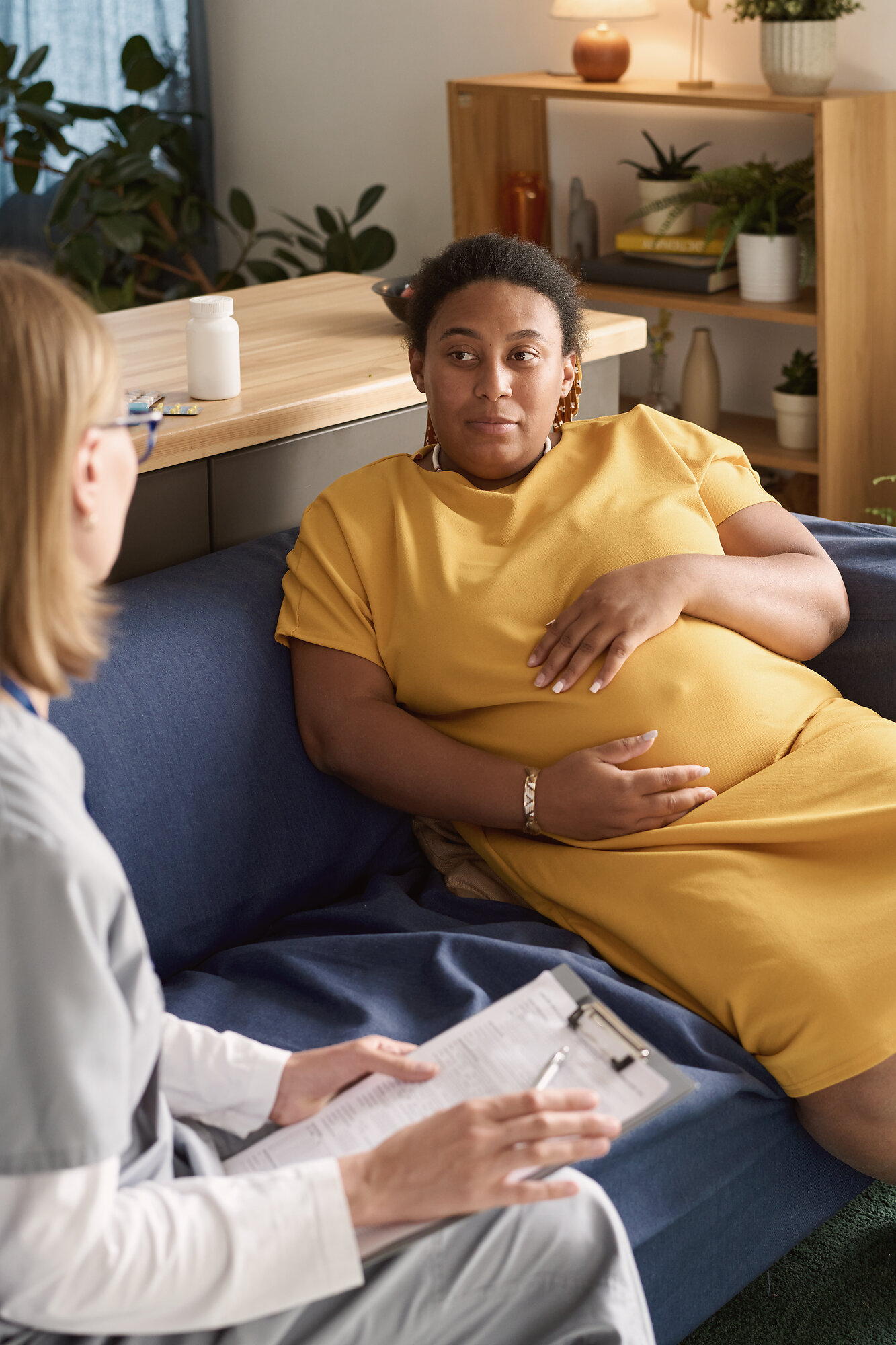
Postpartum PTSD develops when a pregnancy, birth, or perinatal medical experience overwhelms the nervous system's capacity to process what happened. The body and mind register the event as life-threatening — to the mother, the baby, or both — and the nervous system continues responding as if the threat were ongoing, long after the birth itself is over.
Common precipitants include emergency c-sections, severe hemorrhage, pre-eclampsia, NICU stays, perceived dismissal during labor, prolonged or stalled labors, instrument deliveries, severe perineal injury, neonatal complications, and births in which the woman feared for her life or her baby's life.
Birth trauma is not measured by the medical chart — it is measured by what the woman experienced. A birth that looks routine on paper can be deeply traumatic in lived experience, and the validity of the trauma does not depend on outside agreement.

This list helps you recognize your own experience. It is not a diagnostic tool — a perinatal-trained clinician can help clarify what is happening for you.
Vivid flashbacks, intrusive memories, or nightmares about the birth or perinatal events.
Avoiding hospitals, OB appointments, baby photos, friends with babies, or conversations about the birth.
Constant high-alert state, exaggerated startle response, irritability, difficulty concentrating.
Insomnia, nightmares, or fear of sleeping that is connected to the birth or postpartum events.
Persistent guilt, shame, feelings of brokenness, or a sense that you are not the same person you were before the birth.
Reluctance to attend OB or pediatric appointments, postpartum follow-ups, or future pregnancy planning.
Emotional numbness, disconnection from your baby, partner, or yourself.
Strong reluctance or fear about having another baby — sometimes called "tokophobia."
Postpartum PTSD symptoms can appear within days of a birth, or may emerge months later — sometimes triggered by a routine OB appointment, a friend's pregnancy, or the anniversary of the birth. PTSD often coexists with postpartum depression and postpartum anxiety.
Risk factors for developing postpartum PTSD include:

Birth trauma responds well to trauma-focused, perinatal-aware therapy. Treatment helps the nervous system finish processing what happened so the body can stop responding as if the threat were ongoing. Our clinicians use evidence-based approaches calibrated to the perinatal context — never rushing through, and never minimizing what you experienced.
Trauma is defined by your experience, not by external benchmarks. If your nervous system registered the birth as life-threatening — for you or your baby — postpartum PTSD is possible regardless of what others might consider routine.
No. Postpartum PTSD remains treatable years after the precipitating event. Many women come in months or years postpartum after realizing the symptoms have not gone away on their own.
Trauma therapy is paced. Your clinician will not push you into reliving anything before you are ready, and effective treatment includes substantial nervous-system stabilization before any focused trauma work.
Yes. Many women specifically seek treatment before conceiving again so the next pregnancy can begin from a more regulated baseline. Trauma work and family planning are compatible.
Partners often experience their own trauma from a difficult birth. We can coordinate individual care, couples sessions, or both — depending on what fits your situation.
Common symptoms of birth trauma include flashbacks or vivid memories of the birth, nightmares, hypervigilance, exaggerated startle response, avoidance of medical settings or pregnancy reminders, sleep disturbance, emotional numbness, persistent guilt or shame, and a fear of future pregnancy. Symptoms can appear within days of the birth or emerge months later — sometimes triggered by an OB visit, a friend's pregnancy, or the anniversary of the birth.
Yes. Postpartum PTSD affects an estimated 4–9% of women after childbirth, with significantly higher rates after emergency c-sections, severe hemorrhage, NICU stays, and births where the woman feared for her life or her baby's life. Trauma is defined by your nervous system's experience — not by what others might consider routine. A birth that looks ordinary on the medical chart can be deeply traumatic in lived experience.
Eye Movement Desensitization and Reprocessing (EMDR) has a strong evidence base for trauma processing and is often effective for birth trauma and postpartum PTSD. It is one of several trauma-focused approaches used in our perinatal program, alongside trauma-focused CBT and prolonged exposure when indicated. The right approach is matched to your specific presentation, history, and tolerance.
Postpartum PTSD often coexists with other perinatal conditions. These pages cover the most relevant overlaps.
Hypervigilance, racing thoughts, panic.
Learn morePersistent low mood, tearfulness, disconnection.
Learn moreMiscarriage, stillbirth, infant loss.
Learn moreDistressing repetitive thoughts of harm.
Learn moreOur care coordinator will verify your insurance and help you book a first session. There's no pressure, and the first conversation is short.